
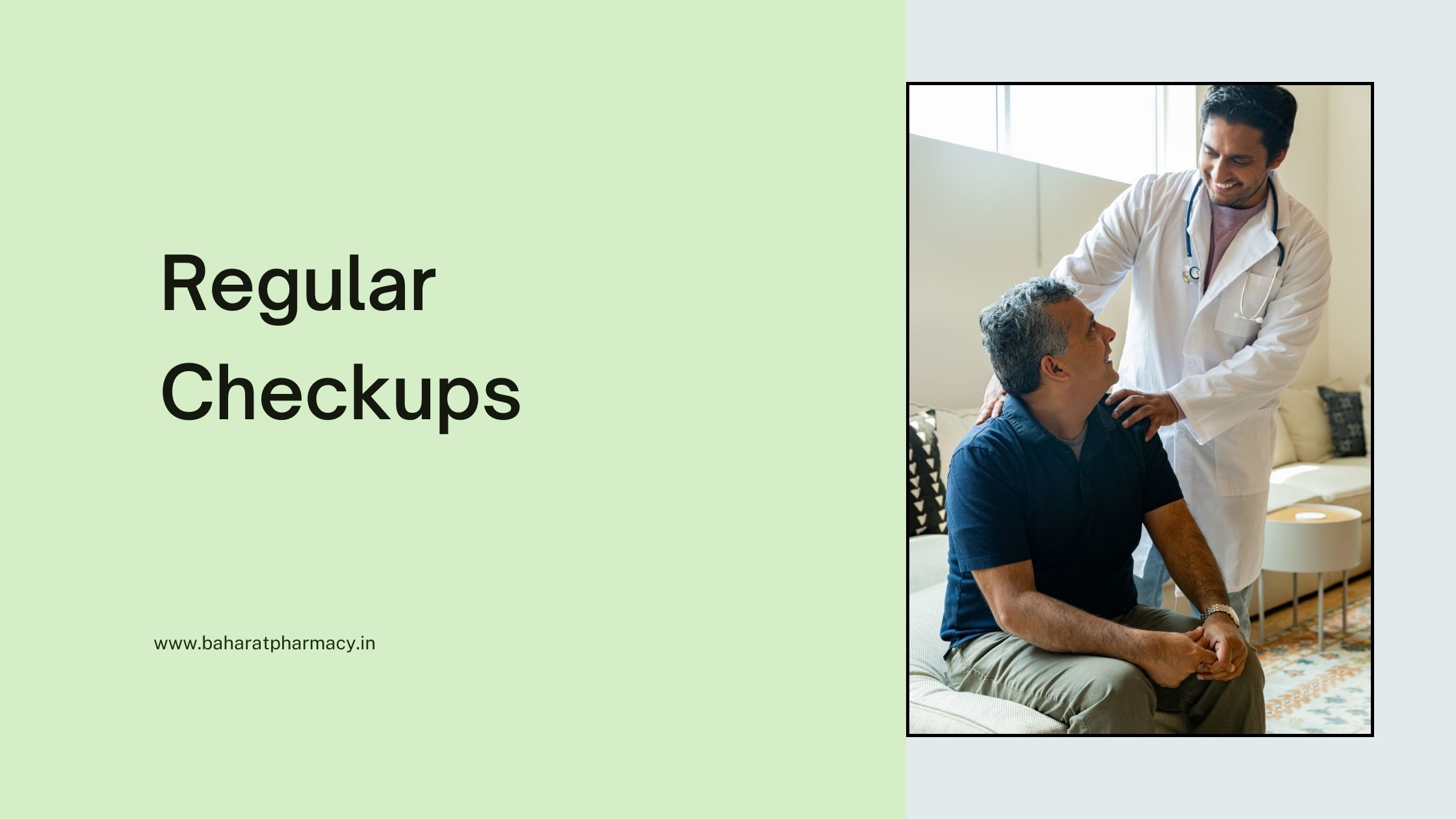
Why Regular Health Checkups Are Crucial for Your Well-being
In the fast-paced world of today, our health often takes a backseat to work, family, and daily responsibilities. But what if a simple annual appointment could be the key to catching potential health issues before they become serious? Regular health checkups are not just a medical recommendation they’re your first line of defense in maintaining long-term wellness.
Early Detection: Your Health’s Early Warning System
Regular health checkups serve as a comprehensive diagnostic tool that:
- Identifies potential health risks before they become critical
- Provides baseline data for tracking your health over time
- Enables proactive management of emerging health conditions
What to Expect During a Comprehensive Health Checkup
A typical wellness exam typically includes:
- Detailed medical history review
- Physical examination
- Blood pressure screening
- Cholesterol level testing
- Blood sugar assessment
- Age and gender-specific screenings
Recommended Checkup Frequencies
Age Group Recommended Frequency
| 20 – 39 | Every Year |
| 40 – 64 | Annually |
| 65 + | Twice Annually |
Strategic Health Screening Recommendations
Age-Specific Health Screening Matrix
Young Adults (20-35 years)
- Comprehensive metabolic panel
- Thyroid function evaluation
- Mental health screening
- Nutritional assessment
- Vitamin and mineral level check
Mid-Career Professionals (35-50 years)
- Advanced cardiovascular screening
- Diabetes risk assessment
- Cancer marker tests
- Hormonal balance evaluation
- Comprehensive stress analysis
Senior Individuals (50+ years)
- Comprehensive geriatric assessment
- Bone density screening
- Extensive cancer screenings
- Cognitive function tests
- Advanced health risk evaluation
Specialized Screening Recommendations
Gender-Specific Health Screenings
For Women
- Comprehensive reproductive health evaluation
- Breast and cervical health screenings
- Hormonal balance assessment
- Bone density analysis
- Specialized metabolic testing
For Men
- Prostate health evaluation
- Testosterone level assessment
- Cardiovascular risk screening
- Metabolic syndrome analysis
- Comprehensive wellness profile
Financial and Personal Benefits
Contrary to popular belief, regular checkups can actually save you money:
- Prevents expensive medical treatments
- Reduces long-term healthcare costs
- Minimizes potential lost work time due to serious health issues
- Provides peace of mind and proactive health management
Overcoming Common Checkup Barriers
Myth: “I Feel Fine, So Why Check?”
Many serious health conditions show no initial symptoms. Regular screenings can detect issues like:
- High blood pressure
- Cholesterol imbalances
- Early-stage cancers
- Metabolic disorders
Practical Tips for Making Checkups a Priority
- Schedule annual exams during your birthday month
- Set calendar reminders
- Choose a healthcare provider you’re comfortable with
- Consider comprehensive health insurance plans that cover preventive care
Cost Considerations for Consumers
Average Health Checkup Costs in Major Indian Cities:
| Basic Checkup | ₹ 500 – 1500 |
| Comprehensive Wellness Exam | ₹ 1500 – 5000 |
| Advanced Full-Body Screening | ₹ 3000 – 10,000 |
Affordable Health Checkup Options in India
Government and Private Sector Initiatives
- Ayushman Bharat Scheme
- Provides free health screenings for vulnerable populations
- Covers preventive and primary health services
- Corporate Wellness Programs
- Many IT and corporate companies offer comprehensive health checkups
- Often includes full-body screenings at discounted rates
- Health Insurance Preventive Care Benefits
- Most modern health insurance plans cover annual preventive checkups
- Some plans offer cashless health screening option
Technological Advancements in Indian Healthcare
Digital Health Platforms
- Telemedicine consultations
- Online health records
- Mobile health tracking apps
- AI-driven health risk assessments
External Resources for Indian Health Information
- Indian Council of Medical Research (ICMR)
- Official Website: https://main.icmr.nic.in/
- Provides comprehensive health guidelines and research
- National Health Portal of India
- Website: https://www.nhp.gov.in/
- Offers reliable health information and preventive care resources
- Apollo Hospitals Health Resources
- Preventive Health Checkup Guide: https://www.apollohospitals.com/preventive-health-check-up
- Detailed information on comprehensive health screenings
Conclusion: Your Health, Your Investment
Regular health checkups are more than a medical recommendation—they’re an investment in your most valuable asset: yourself. By dedicating a few hours annually to preventive care, you’re taking control of your health, potentially adding years to your life and life to your years
FAQS
1.What Tests Are Typically Included in a Comprehensive Health Checkup?
A standard comprehensive health checkup usually includes:
Physical Assessments:
- Height and weight measurement
- Blood pressure screening
- Body Mass Index (BMI) calculation
- Heart rate and rhythm check
Laboratory Tests:
- Complete blood count (CBC)
- Cholesterol panel
- Blood sugar/diabetes screening
- Kidney and liver function tests
- Thyroid function test
Additional Screenings (Based on Age and Gender):
- Mammograms for women
- Prostate screening for men
- Colorectal cancer screening
- Bone density tests
- Vision and hearing tests
2.How Often Should Different Age Groups Get Health Checkups?
Recommended Health Checkup Frequencies:
| Age Group | Recommended Frequency | Key Focus Areas |
| 18-39 years | Every 2-3 years | Baseline health, lifestyle assessment |
| 40-64 years | Annually | Chronic disease screening, metabolic health |
| 65+ years | Twice annually | Comprehensive health monitoring, age-related conditions |
3.Can I Prepare for a Health Checkup? What Should I Bring?
Checkup Preparation Checklist:
Documents to Bring:
- Government-issued ID
- Health insurance card
- List of current medications
- Family health history documentation
- Previous medical records (if changing healthcare providers)
Physical Preparation:
- Fast for 8-12 hours if blood tests are scheduled
- Stay hydrated
- Wear comfortable, loose clothing
- Avoid heavy exercise before the checkup